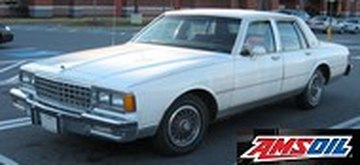
Lubrication Maintenance for the 1982 Chevrolet CAPRICE 5.0L
Maintaining a vehicle from the early 1980s requires a shift in perspective compared to modern automotive care. For owners of a 1982 Chevrolet Caprice equipped with the 5.0L engine, routine service is not just about following a schedule; it is about active monitoring and understanding how aging components interact with various fluids. Proper lubrication management is a cornerstone of preserving the mechanical integrity of this vehicle over the long term.
Monitoring Fluid Integrity and Condition
One of the most effective ways to monitor the health of the 5.0L engine is through regular observation of the lubricant itself. While many owners focus solely on the volume of oil, the physical condition of the fluid can provide significant clues regarding internal engine health. When performing routine checks, pay close attention to the following:
- Color and Clarity: Significant darkening of the oil shortly after a change may indicate that the engine is accumulating soot or other combustion-related particulates.
- Texture and Consistency: The presence of any gritty texture or unusual thickness can suggest contamination or the breakdown of the lubricant's chemical properties.
- Odor: A strong smell of fuel within the oil may indicate an issue with the fuel system, such as improper combustion or leaking injectors, which can thin the oil and reduce its effectiveness.
If you notice any sudden changes in how the oil looks or smells, it warrants a thorough investigation to prevent potential damage. These symptoms are often indicators of broader issues that require professional diagnosis.
Observing Potential Warning Signs
A proactive approach to maintenance involves recognizing when the vehicle is signaling a need for attention. Because mechanical components change over decades of use, subtle changes in operation can be early indicators of lubrication or sealing issues. Owners should remain vigilant regarding several key signs:
Visible fluid seepage is often one of the first indicators that a seal or gasket may no longer be performing its intended function. Rather than assuming a specific component has failed, look for patterns of leakage around various engine areas. Similarly, if you notice an increase in how much oil the vehicle seems to use between service intervals, this should be investigated promptly.
Unusual mechanical noises during startup or while idling can also be associated with lubrication concerns. While a noise might seem minor, it can sometimes indicate that the lubricant is not reaching certain areas of the engine as efficiently as it should. Always remember that a single symptom, such as an unusual sound or a small leak, can have multiple underlying causes ranging from simple seal aging to more complex mechanical issues.
Prioritizing Long-Term Engine Care
As vehicles age, maintenance priorities often shift from strictly following mileage intervals to managing the actual condition of the hardware. For a 1982 Chevrolet Caprice, this means moving toward a condition-based maintenance strategy. If you are stepping into ownership of this vehicle without a complete service history, establishing a baseline is an essential first step.
To establish this baseline, begin by documenting every fluid change, filter replacement, and significant repair. This creates a roadmap that allows you to distinguish between normal aging and actual mechanical decline. When records are incomplete, prioritize inspecting the most critical systems: check for the condition of all accessible hoses and belts (if equipped), examine the state of electrical connections, and look for any evidence of previous neglect or inconsistent maintenance.
Effective long-term ownership involves distinguishing between preventive maintenance—tasks done to keep a system running well—and unnecessary parts replacement. You do not always need to replace a component simply because it is old; instead, use visual inspections and fluid analysis to determine if the part is still performing its role effectively. Addressing active leaks or changes in fluid consumption early can prevent much more extensive and costly repairs later.
Managing Aging Seals and Gaskets
Over time, the materials used in gaskets and seals can lose their elasticity due to heat cycles and age. In a 1982 engine, this is a natural progression. Rather than searching for a specific "problem" seal, it is more practical to perform regular visual inspections of all sealing surfaces. Look for signs of seepage or dampness around the engine block and various connection points.
If you notice minor seepage, it may be beneficial to monitor the frequency of the occurrence. Some owners choose to utilize high-mileage oil formulations, which contain additives intended for use in aging engines. These formulations often include seal-conditioning additives that may help maintain the pliability of certain seals. However, these products are not a substitute for repairing significant leaks and should be viewed as a management tool for minor, age-related seepage.
Effective Inspection Strategies
A successful maintenance routine for the 5.0L Caprice involves more than just checking the oil dipstick. A comprehensive approach includes inspecting several peripheral areas that impact engine performance and longevity:
- Cooling System Integrity: Inspect hoses for signs of cracking, softening, or bulging. If equipped with a cooling system that shows signs of leakage, it can lead to overheating, which directly affects oil stability.
- Drive Components: If the engine is equipped with accessible drive belts, inspect them for glazing, fraying, or cracks. A belt that is slipping or failing can affect the operation of various engine accessories.
- Electrical and Air Systems: Ensure that wiring and electrical connectors are secure and free from corrosion. Additionally, maintaining a clean air filtration system is vital to prevent contaminants from entering the combustion chamber and subsequently contaminating the engine oil.
By combining these visual checks with regular fluid monitoring, you can develop a clear picture of your vehicle's mechanical health and make informed decisions about when service is truly necessary.
Practical Advice for Buying Engine Oil for your 1982 Chevrolet CAPRICE 5.0L
When it is time to replenish your lubricant, the most important step is to ensure that the product you select matches the specific requirements of your engine. Do not rely on general assumptions about what an older vehicle might need; instead, match the engine oil to the application-specific viscosity information already displayed on this webpage.
Before making a purchase, carefully check the product labeling to verify that the oil meets the appropriate quality standards and certifications. Depending on your specific maintenance goals and the current condition of your engine, you may choose between conventional oils, synthetic blends, or full synthetic formulations. If your vehicle shows signs of minor seepage due to age, you might consider high-mileage formulations designed with seal conditioners. Always prioritize the viscosity and application details provided in the technical data above this article to ensure a proper match for your 5.0L engine.